Turning Someone Else’s Garbage To Your Own Gold: These Entrepreneurs Built Fortunes Off Trash
ByBeth McDonaldon May 12, 2025inArticles›Billionaire News
Success doesn’t always start in a boardroom. Sometimes, it begins behind a garbage truck, at a scrapyard, or deep inside a mountain of used paper. For a select group of entrepreneurs, trash wasn’t a dead end—it was the beginning of an empire. Across the globe, visionaries have made billions by reimagining waste as raw opportunity. They saw treasure where others saw junk, and they turned society’s discards into thriving, sustainable businesses.
From hauling garbage in Florida to recycling American cardboard in China, these men and women have built fortunes in the billions by collecting, sorting, and repurposing the world’s waste. Their stories are gritty, inspiring, and sometimes a little outrageous—but they all prove the same point: there is serious money in garbage.
Here are nine entrepreneurs who quite literally turned trash into gold.
H. Wayne Huizenga – Waste Management Pioneer
At 25, Huizenga borrowed $5,000 to buy a single garbage truck in Florida. Within a few years, he’d grown his business into a regional powerhouse and merged it with a Chicago firm to create Waste Management, Inc. Through hundreds of acquisitions, the company became a national giant with $1 billion in revenue by the 1980s. Huizenga later launched Blockbuster Video and AutoNation, becoming the only person in U.S. history to build three separate Fortune 500 companies. His fortune peaked around $2.6 billion, all sparked by that first truck.
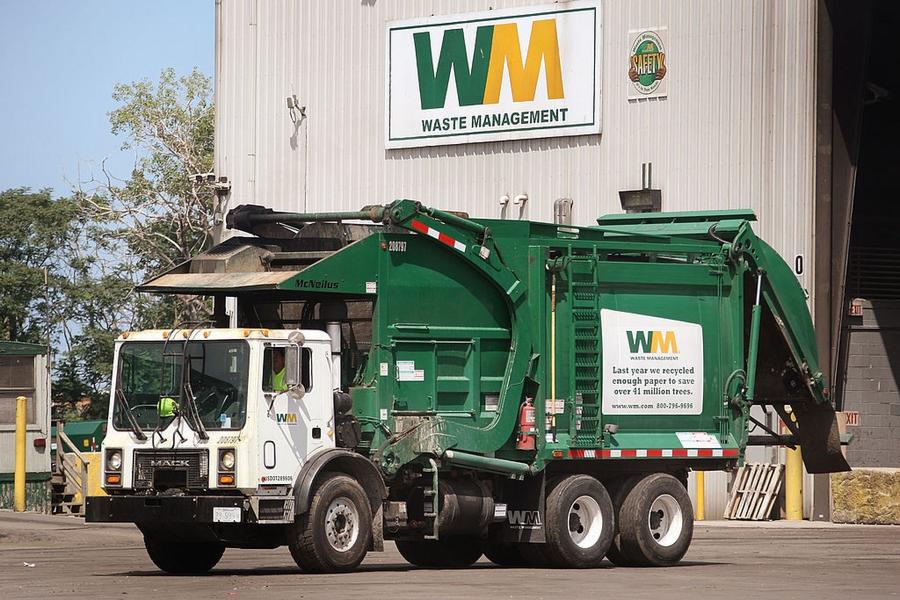
Photo by Scott Olson/Getty Images
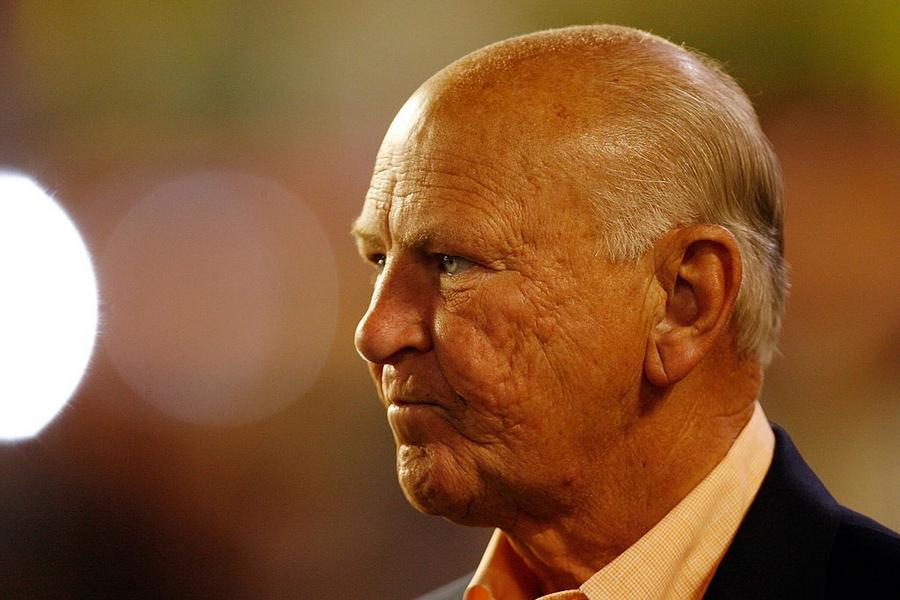
Photo by Eliot J. Schechter/Getty Images
Maria Rios – Nation Waste CEO
After fleeing war-torn El Salvador, Rios arrived in Houston with nothing. While working her way through college, she took a job at a waste company and quickly realized the business potential. In 1997, she launched Nation Waste with two trucks. Today, her Houston-based firm services major clients and is valued at $30 million. Rios is also a fierce community advocate, known for providing discounted services after Hurricane Katrina and supporting minority-owned businesses.
Zhang Yin – China’s “Queen of Trash”
In the 1990s, Zhang Yin realized China’s paper shortage could be solved using waste paper from the U.S. She began exporting scrap paper from California and recycling it into packaging at her Nine Dragons Paper mills in China. The result: a billion-dollar empire. By 2006, her net worth topped $3 billion, making her the richest woman in China and the world’s first self-made female recycling billionaire. Her companies now ship cardboard made from U.S. trash back to pack the goods Americans buy.the
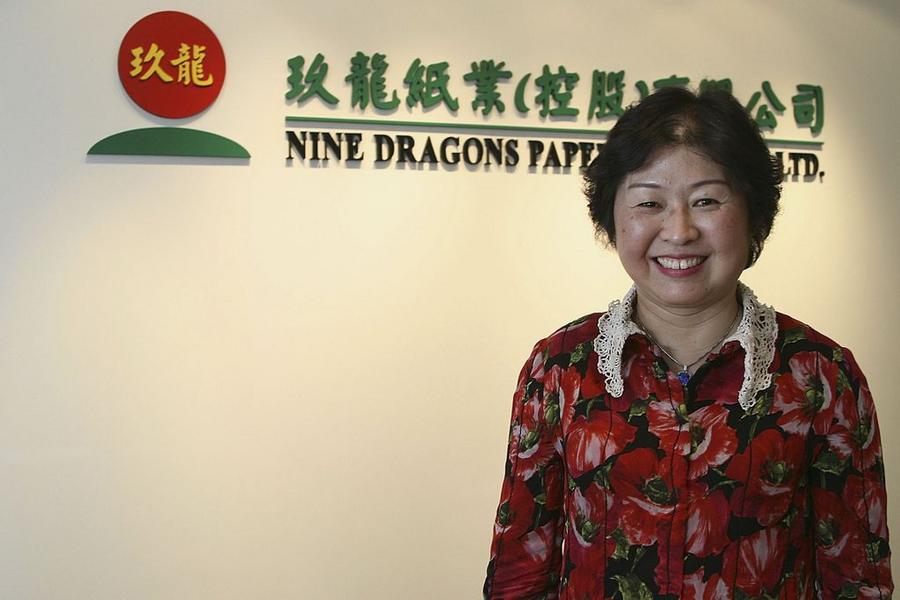
Photo by MN Chan/Getty Images
Chen Guangbiao – China’s Trash Showman
Chen made his fortune recycling construction and demolition waste. His company, Jiangsu Huangpu, earned nearly $2 billion annually by turning rubble into reusable materials. Known for his flair, Chen once sold canned “fresh air” to protest pollution and handed out cash on the streets. Despite his eccentricity, he’s donated millions to disaster relief and made recycling a headline-worthy business in China. His net worth has been estimated between $740–$800 million.
Anil Agarwal– Scrap Dealer Turned Mining Billionaire
Agarwal started out collecting and reselling scrap metal in Mumbai. He used those profits to buy a small cable company, then a copper smelter, and eventually built Vedanta Resources, one of India’s largest metals conglomerates. Today, his net worth is around $3.5 billion. Agarwal’s journey from scrapyard hustler to mining mogul shows how recycling metals can launch a global empire.
Patrick Dovigi – Hockey Player Turned Trash Tycoon
After leaving minor league hockey, Dovigi launched GFL Environmental in 2007 at just 28 years old. By acquiring small waste and recycling companies, he built GFL into North America’s fourth-largest environmental services firm. With operations across Canada and the U.S., GFL now generates billions in annual revenue. Dovigi’s personal net worth surpassed $1 billion, proving that in waste management, modern branding and scale still win big.
Jack Walker – Steel Baron of the UK
Walker left school at 14 to work in his father’s scrap yard. He eventually built Walkersteel into one of Britain’s largest steel companies and sold it for £330 million in 1989 (about $540 million). He used the proceeds to bankroll his beloved Blackburn Rovers, guiding the underdog football club to a Premier League title in 1995. At the time of his death, his estate was worth nearly $1 billion—all built from scrap metal.
Igor Altushkin – Russia’s Copper King
In post-Soviet Russia, Altushkin began buying and reselling copper and aluminum scrap. By 2004, he founded the Russian Copper Company, which now ranks as the nation’s third-largest producer. His early success with recycling funded acquisitions of smelters and mines. With a net worth estimated over $3 billion, Altushkin’s story is yet another reminder that metals recycling can yield world-class wealth.
Anthony Pratt – Billionaire Cardboard King
Pratt inherited Australia’s Visy Industries but transformed it into a global leader in recycled cardboard packaging. In the U.S., he launched Pratt Industries, which recycles more than 3 million tons of paper annually. His empire generates over $5 billion in revenue and has made him one of Australia’s richest people, with a net worth over $5 billion. His motto? “There’s money in garbage—and sustainability too.”
The Bottom Line
These stories make one thing clear: garbage isn’t just dirty work—it can be a goldmine. Whether through consolidation, recycling innovation, or simply out-hustling the competition, these entrepreneurs saw profit in what others threw away. For every flashy startup founder or crypto billionaire, there’s a waste management mogul quietly hauling in fortunes—one truck, box, or scrap pile at a time.
- Zhang Yin Net Worth
- Wayne Huizenga – The Restless Rags To Riches Billionaire Entrepreneur Behind Three Massive Companies – Has Died At The Age Of 80
- Igor Altushkin Net Worth
- The Next Summer Olympic Medals May Be Made From A Very Unusual Source
- Apple Finds $40M in Gold in Used iPhones, Computers
- H. Wayne Huizenga Net Worth
The Next Summer Olympic Medals May Be Made From A Very Unusual Source
ByJoey Heldon September 1, 2016inArticles›Sports News
The 2016 Olympics have come and gone, but it’s not too early to start discussing what’ll happen four years from now in Tokyo.
In fact, the prizes each Olympian receives may change. Or at least, what they’re made out of will: it’s very possible the 2020 Olympic medals will be created from used smartphones.
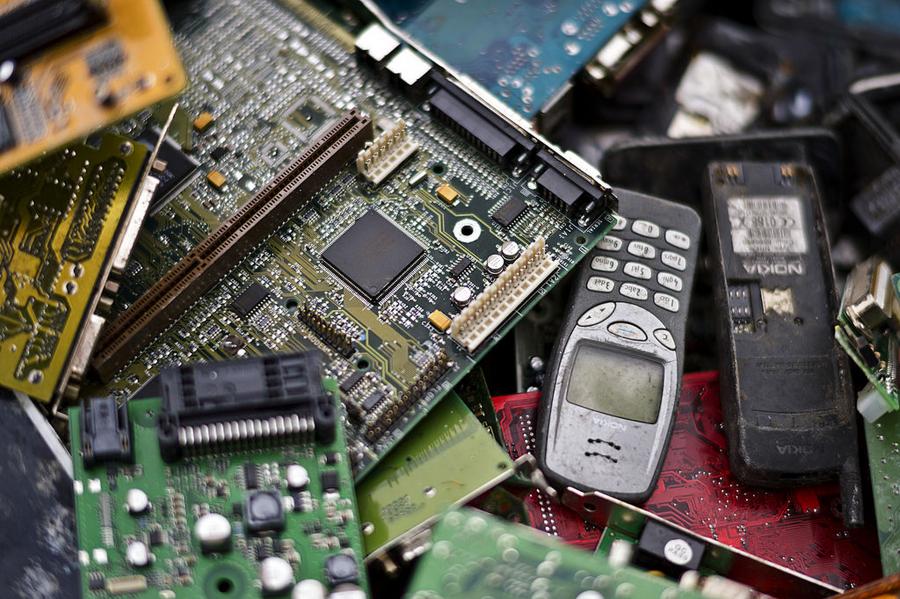
Japan has what it calls an “urban mine,” which houses millions of smartphones, as well as other discarded electronics. In fact, there are so many in this mine, there’s enough precious metal to create the gold, silver, and bronze medals for not just the Olympics, but the Paralympics, as well.
Olympic organizers are already in talks to create the next Summer Games medals from the discarded innards of these old devices.
Just how much gold, silver and copper is in the mine? According to a recent report, there was 143 kilograms of gold, 1,566 kg of silver, and 1,112 tons of copper recovered in just 2014 alone, all from electronic waste. At the 2012 London Olympic Games, 9.6kg of gold, 1,210kg of silver, and just 700kg of copper were used to make the 962 medals that were handed out.
Sascha Schuermann/Getty Images
While Japan is poor in natural resources, the country can easily distribute enough medals simply by going through its mine of e-waste. The amount of gold and silver contained in consumer electronics is actually 16 and 22 percent, respectively, of the world’s total reserves of those metals.
However, there are a couple of obstacles that could stop this from becoming a reality. A lot of the metal that’s recovered from the mine is already being reused for new electronics, particularly silver. Since a decent amount has to go towards these new electronics, it could limit the ability to use the metals for Olympic medals.
Japan could have even more precious metals available if it had a fully implemented system for collecting these discarded electronics. About 650,000 tons of small electronics and electric home appliances are discarded annually, but fewer than 100,000 tons is collected under a system based on a small home appliance recycling law the country instituted in 2013. The goal is for each person to donate 1kg of small consumer electronics every year, but many municipalities have residents that don’t even make it to 100 grams.
The country is hoping that by raising public awareness, they can greatly increase the amount of electronic waste that’s collected and recycled. Consumers who are more environmentally focused have educated the general population to already recycle a lot of products, like milk cartons and plastic bottle caps. It’s not a far stretch to assume more people could get on board with recycling their electronics and small appliances.
If they do, it’s very likely the next wave of successful Olympians will be donning a medal that was once used to play “Angry Birds.”
- Why Is An Olympic Gold Medal Only Worth $600?
- Apple Finds $40M in Gold in Used iPhones, Computers
- The U.S. Olympic Team Could Break The National Record For Most Olympic Bonus Money Ever
- Turning Someone Else’s Garbage To Your Own Gold: These Entrepreneurs Built Fortunes Off Trash
- Kim Rhode Net Worth
- Dominique Moceanu Net Worth
