The 20 Largest Private Foundations In the US: And Where Their Money Came From
ByBrian Warneron April 22, 2025inArticles›Celebrity News
From curing malaria to rewriting America’s education system, the largest private foundations in the U.S. wield influence that rivals governments. They can launch global health campaigns, fund scientific breakthroughs, rebuild cities, or preserve art for future generations. At their best, they tackle the world’s biggest problems with long-term focus and deep pockets. At their most opaque, they’re tax-efficient vehicles for the ultra-wealthy to steer culture, politics, and society—quietly, and sometimes forever.
So, where is all this power concentrated? In a few dozen names you know—and a few you probably don’t. Gates. Bloomberg. Walton. Getty. Cargill. Some of the largest philanthropic foundations in America today were seeded with old money from Standard Oil and Ford Motors. Others were born from software, semiconductors, cereal, or hedge fund billions. Together, these 100 foundations control hundreds of billions of dollars—and through strategic giving, they’re reshaping everything from climate change to kindergarten classrooms. Below, we dive into the top 20 in depth—what they fund, how they got started, and what makes them so powerful. Then we list the full top 100, ranked by assets.
PS. To compile this full list below, I reached out to a friend who works for a large foundation in New York City. I thought this was going to be a huge task, but it turns out all private charities in the US are required to report their assets to the IRS every year. So once we knew where to look, the rest was fairly easy to organize 🙂 But then we also took the time to understand who and how the top 20 earned their fortunes… as you’ll see in a moment when you get to the list.
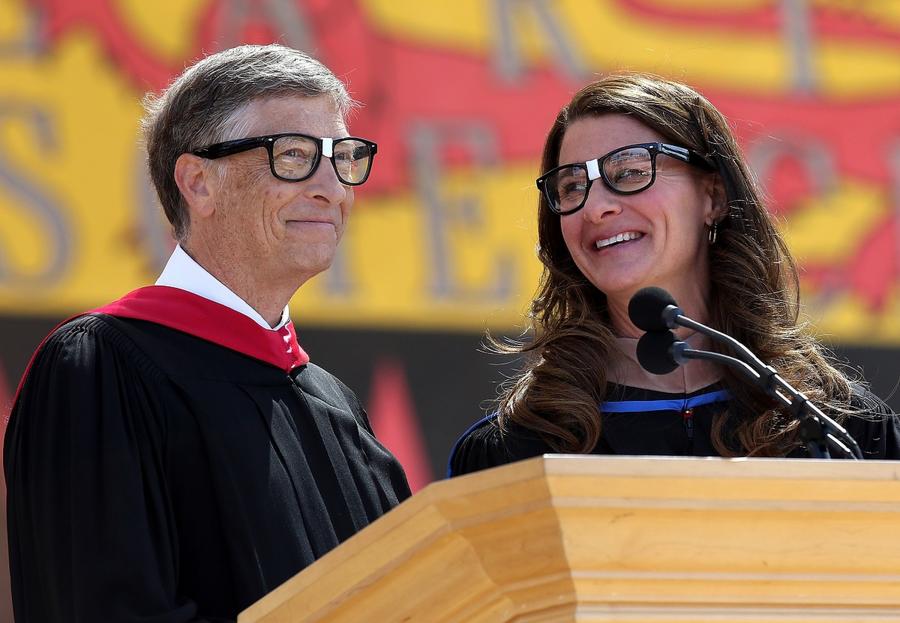
Justin Sullivan/Getty Images
Top 100 U.S. Private Foundations by Asset Size (2025)
One interesting thing to note is the difference between a " spend down " foundation and one that is designed to live in " perpetuity “. Modern philanthropists seem to prefer setting up spend-down foundations, which aim to give away all assets in a relatively short period. For example, the Bill & Melinda Gates Foundation plans to give away all of its assets within 20 years of Bill and Melinda’s deaths. Old school tycoons like Ford, Kellogg, and Rockefeller preferred setting up foundations that live on for as long as possible by giving away only the profits produced by interest. That’s how charities like the Rockefeller Foundation and the Carnegie Corporation have managed to stick around for over 100 years. It’s not my place to say which system is better for the world, but I do hope I’m in the position to make that decision myself someday!
#1. Bill & Melinda Gates Foundation – $75.2 billion
#2. Lilly Endowment Inc. – $62 billion
#3. Howard Hughes Medical Institute – $25.6 billion
#4. Open Society Foundations – $25 billion
#5. Ford Foundation – $16 billion
#6. The Robert Wood Johnson Foundation – $13.7 billion
#7. The William and Flora Hewlett Foundation – $14 billion
#8. J. Paul Getty Trust – $12.5 billion
#9. Bloomberg Philanthropies – $12 billion
Michael Bloomberg has pledged the majority of profits from his financial data company, Bloomberg L.P., to philanthropy. Bloomberg Philanthropies takes an entrepreneurial, data-driven approach. It often works through large-scale partnerships – for instance, a $500 million Beyond Carbon initiative to fight climate change, and major gifts to Johns Hopkins University (Bloomberg’s alma mater). Michael Bloomberg has already given over $21 billion to philanthropy in his lifetime.
#10. Silicon Valley Community Foundation – $10 billion
#11. Gordon and Betty Moore Foundation – $9.5 billion
#12. W. K. Kellogg Foundation – $9.4 billion
#13. Margaret A. Cargill Philanthropies – $9.2 billion
#14. The John D. and Catherine T. MacArthur Foundation – $6 billion
#15. The David and Lucile Packard Foundation – $8.3 billion
#16. The Andrew W. Mellon Foundation – $8.0 billion
Founded from the Mellon family’s banking and industrial fortune, this foundation is the largest arts and humanities funder in the U.S. It supports museums, libraries, and universities, with a recent focus on racial justice through cultural heritage and historical storytelling.
#17. The Rockefeller Foundation – $6.3 billion
Established by Standard Oil founder John D. Rockefeller in 1913, this century-old institution pioneered modern philanthropy. Today, it funds global health, economic resilience, and climate initiatives, staying true to its mission of promoting the well-being of humanity worldwide.
#18. Tulsa Community Foundation – $5.8 billion
Launched by billionaire George Kaiser , TCF pools donor-advised funds to support Tulsa-focused causes like early education, healthcare, and community revitalization. Despite its local focus, its asset base rivals many national foundations.
#19. Walton Family Foundation – $5.7 billion
Built from Walmart wealth, the Walton Foundation emphasizes K–12 education reform, environmental conservation, and regional development. It’s a major backer of charter schools and sustainability efforts in the American South and Midwest.
#20. Greater Kansas City Community Foundation – $5.5 billion
Founded in 1978, GKCCF channels billions in charitable funds from local and national donors. Its programs support education, healthcare, and the arts, making it one of the largest and most active community foundations in the country.
- The 10 Most Generous People In The World
- The Most Generous People In The World. Who Are They And Where Did They Give Their Money?
- In 2007, Jensen Huang Donated $12.6 Million Worth Of NVIDIA Shares To His Foundation… Those Shares Have Increased In Value Just Slightly
- These Incredibly Generous Billionaires Would Rather Give Their Money Away To Charity Than Let Their Kids Waste It
- Here’s Where Some Of The Tech Billionaire “Giving Pledge” Signers Are Donating Their Money
- Melinda Gates Net Worth
